WhatsApp connectors (Zapier\Integromat\Albato)
- WhatsApp for Zapier.com
- WhatsApp for Integromat.com (Make.com)
- WhatsApp for Albato.com
- Sending messages from Google Sheets to WhatsApp via Albato.com
- Getting message delivery statuses in WhatsApp via Albato.com
- How to integrate Salebot.pro with WhatsApp through Albato.com
- Set up a WhatsApp bot based on Albato.com
- WhatsApp for Apix-drive.com
- WhatsApp for n8n.io
- WhatsApp for Bubble.io
- WhatsApp for Node-RED
WhatsApp for Zapier.com
WhatsApp Business API for Zapier: Installation guide
In this guide, you will learn how to install our WhatsApp Business API integration in Zapier.
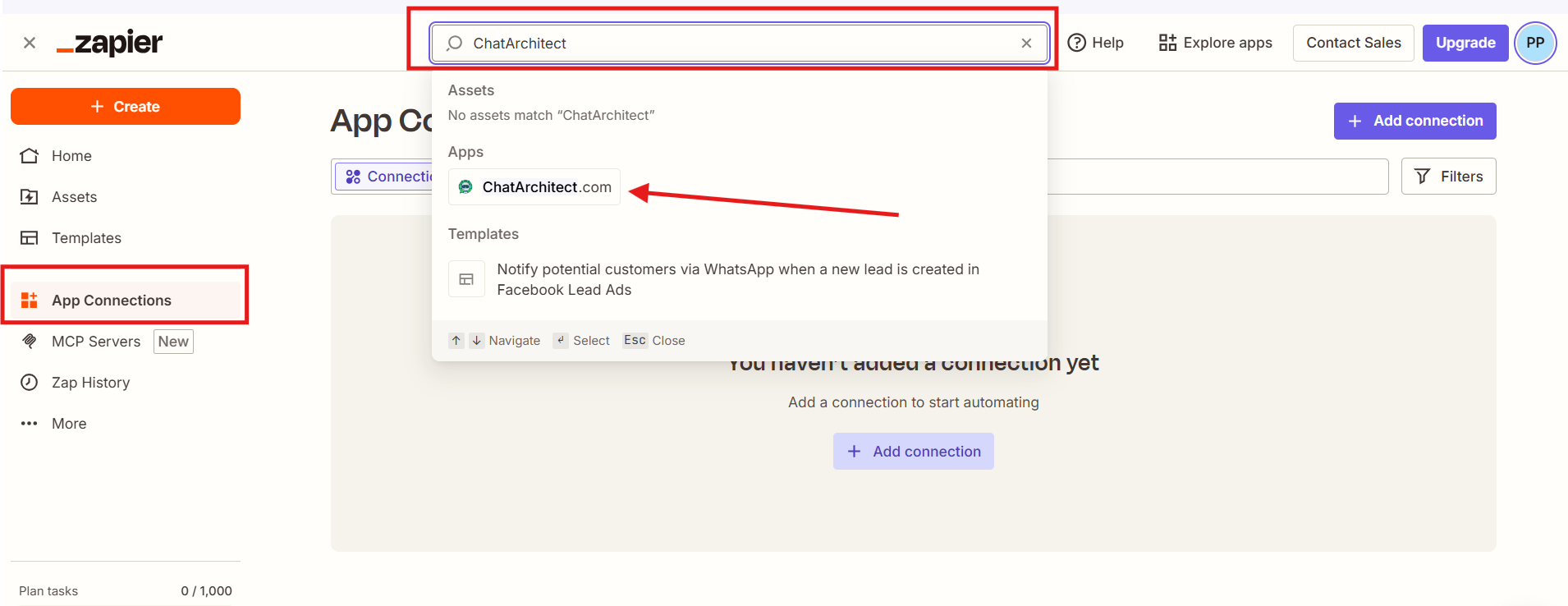
1. Go to the "App Connections" -> in the search field write "ChatArchitect" and choose our app.
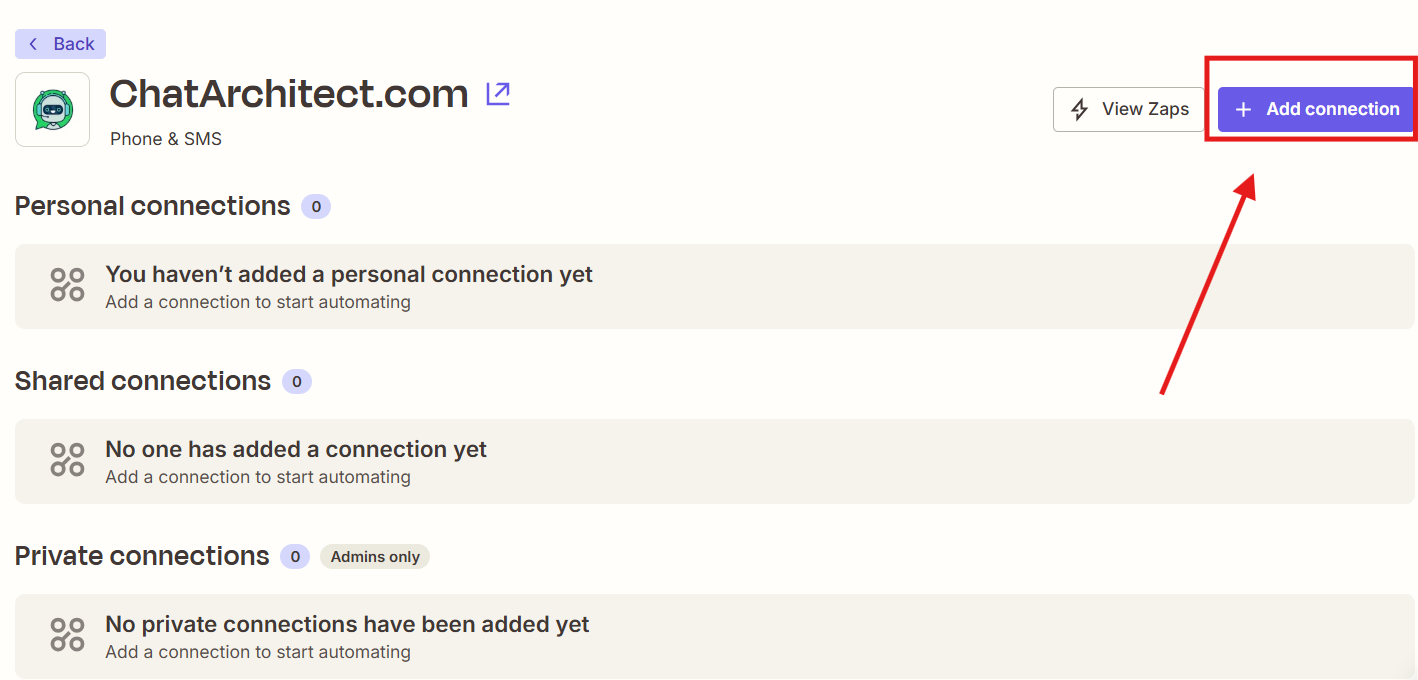
2. Press "Add connection"
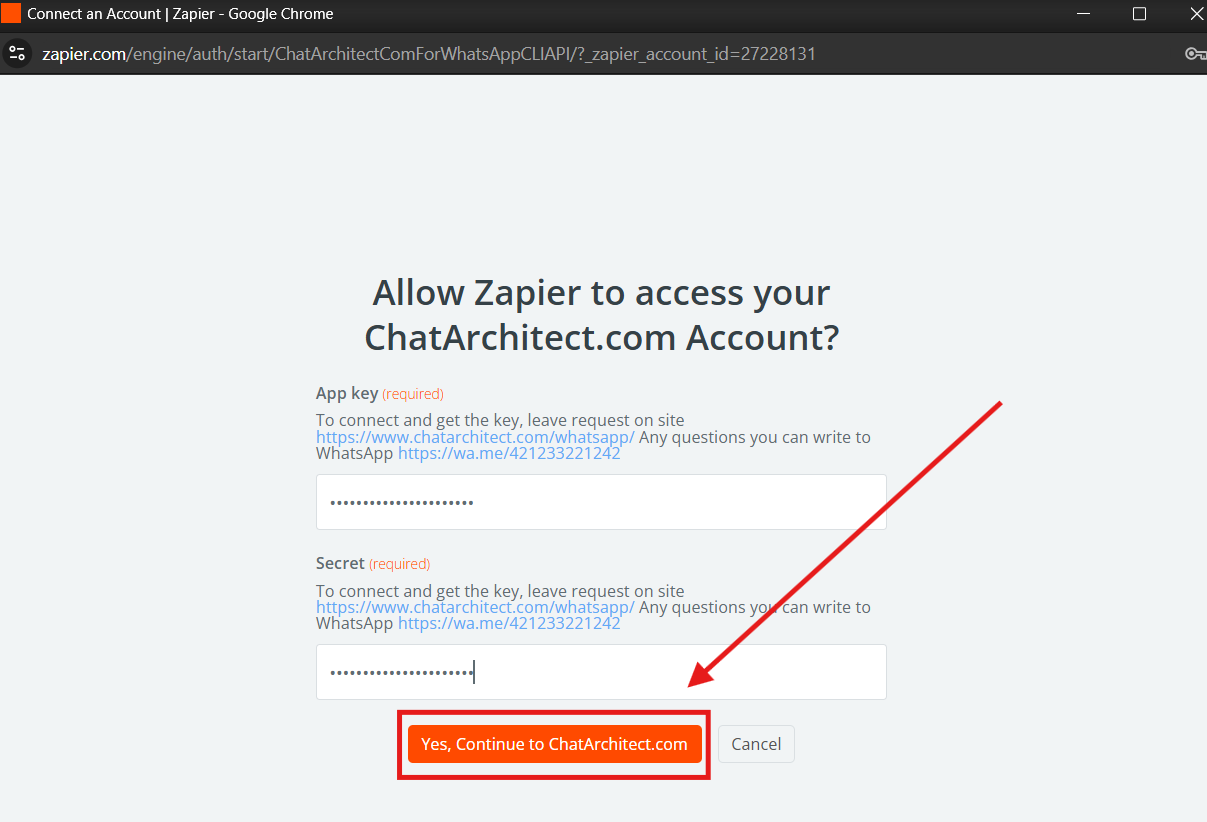
3. Fill in your APP ID and APP SECRET and press "Yes, continue to ChatArchitect.com"
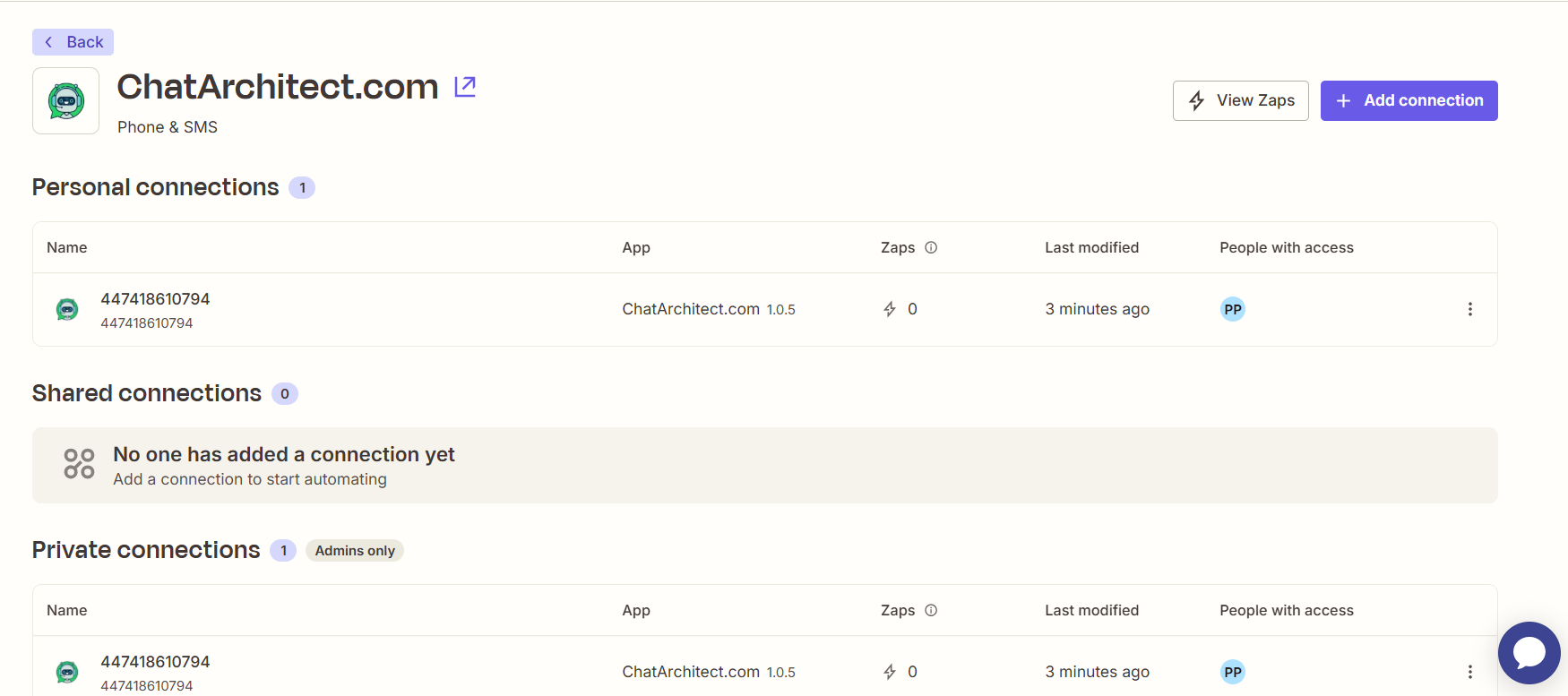
Done. Our integration is now installed in your Zapier.
Integration Zapier with Google Sheets
Integration Zapier with Google Sheets
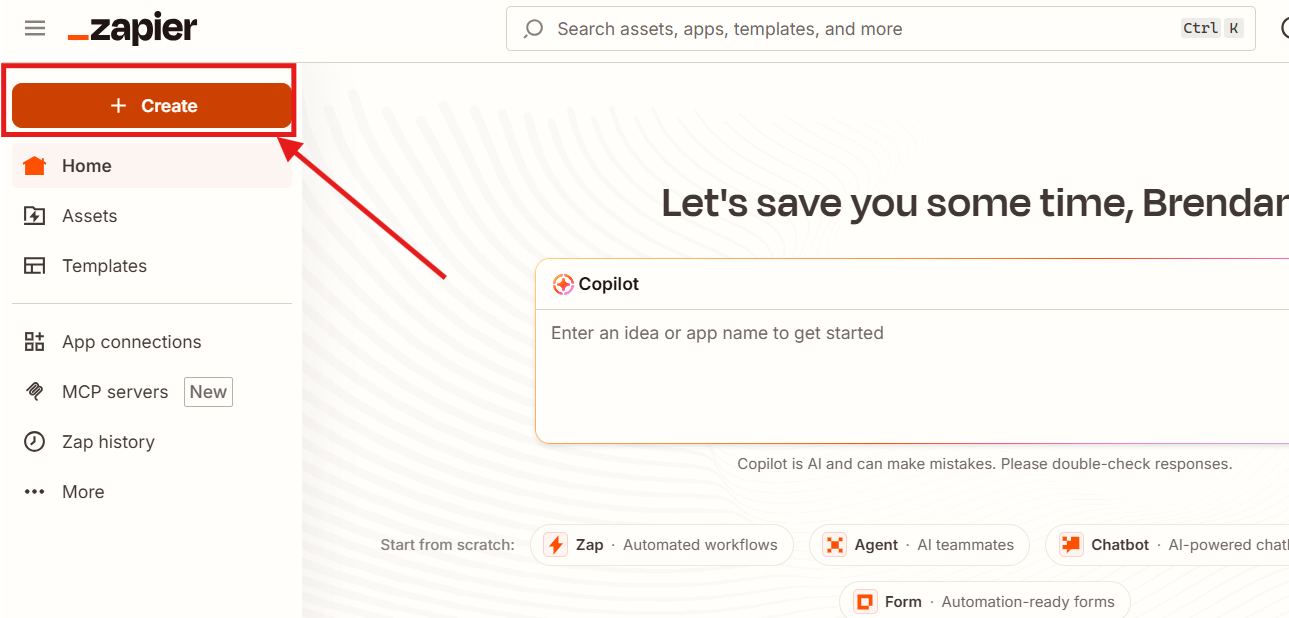
1. Press "+Create"
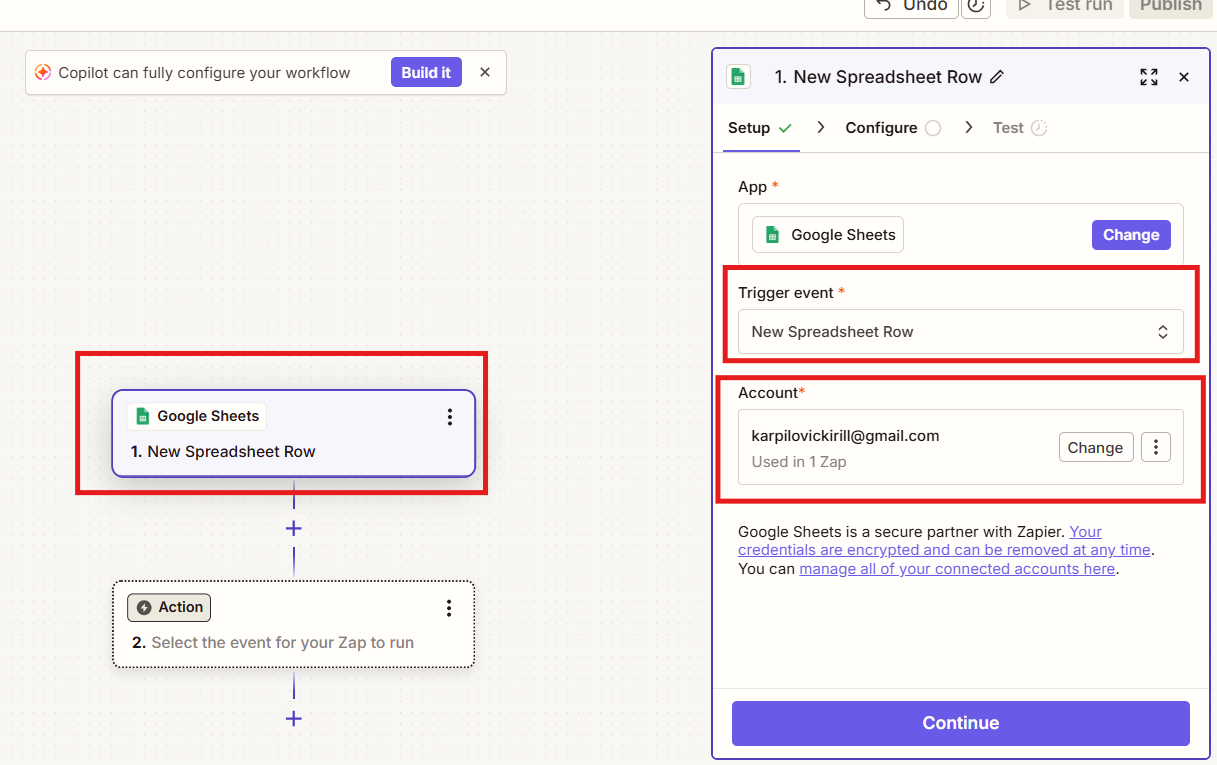
2. Choose Google Sheets as a trigger;
Trigger event "New Spreadsheet Row"
And log in to your Google account
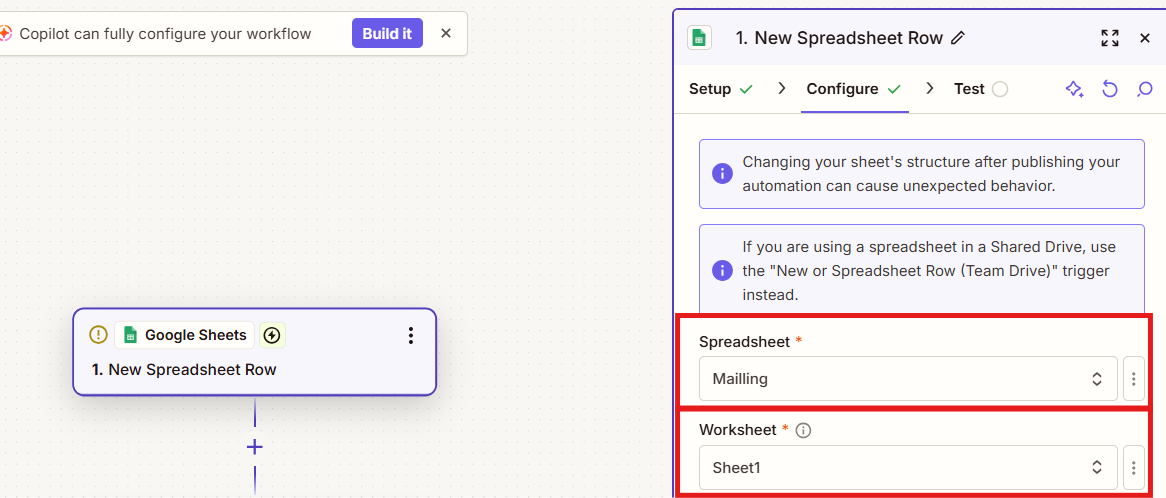
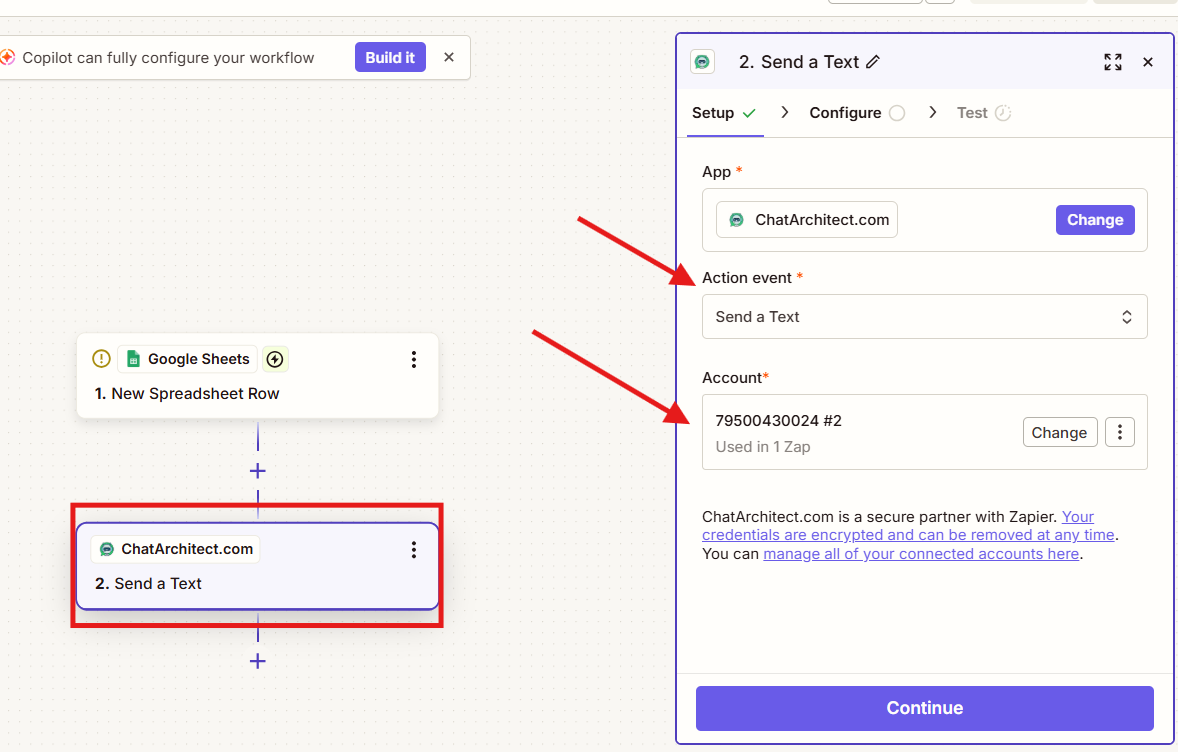
4. In the action add our app "ChatArchitect.com";
Action event - "Send a text"
And add your ChatArchitect.com account
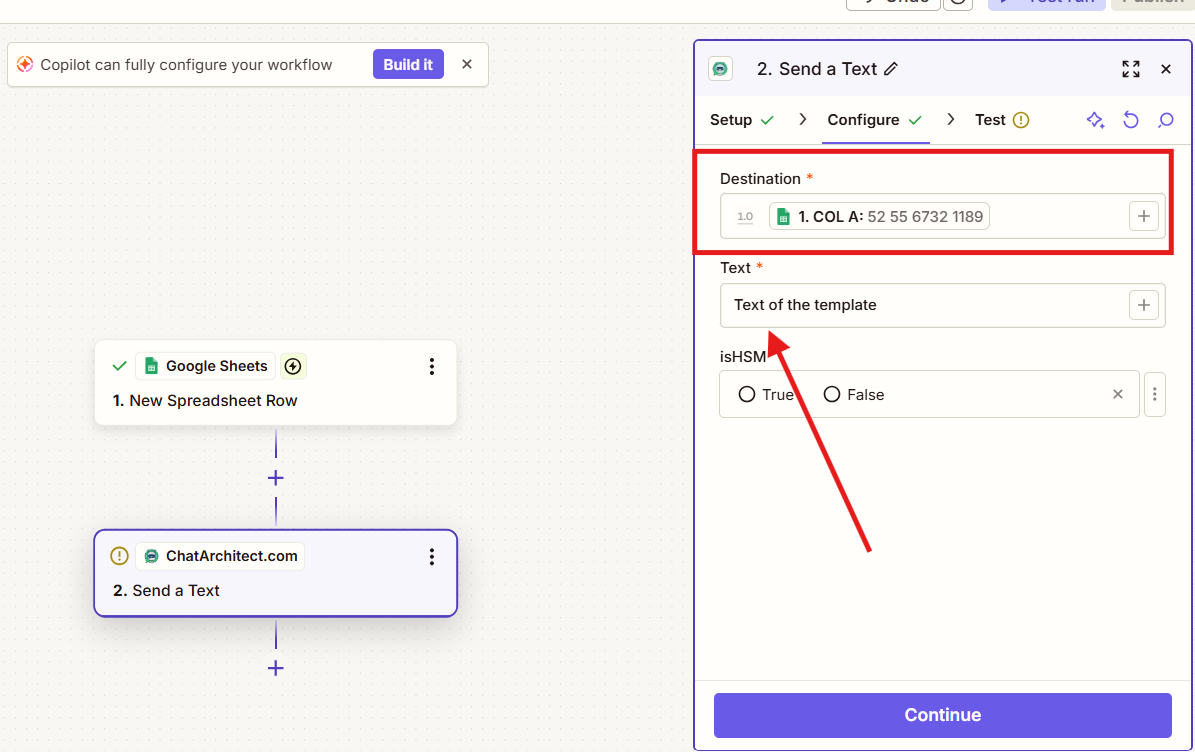
6. Add numbers to the table, ZAP will work on them within 15 minutes
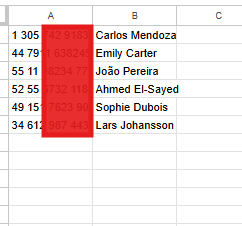
!!! Zapier works by adding a new column to the table, i.e. in order for it to send out mailings to the numbers you need, they must be added to the table only after activating Zap !!!
WhatsApp for Integromat.com (Make.com)
Integration Integromat.com (Make.com) with Google Sheets
In this guide, you will learn how to install our WhatsApp Business API integration in Make and send messages using a database from Google Sheets.
1. After registering with Make, you need to install our app https://www.make.com/en/hq/app-invitation/80e6a64b2b12c4476413627b22551fb7
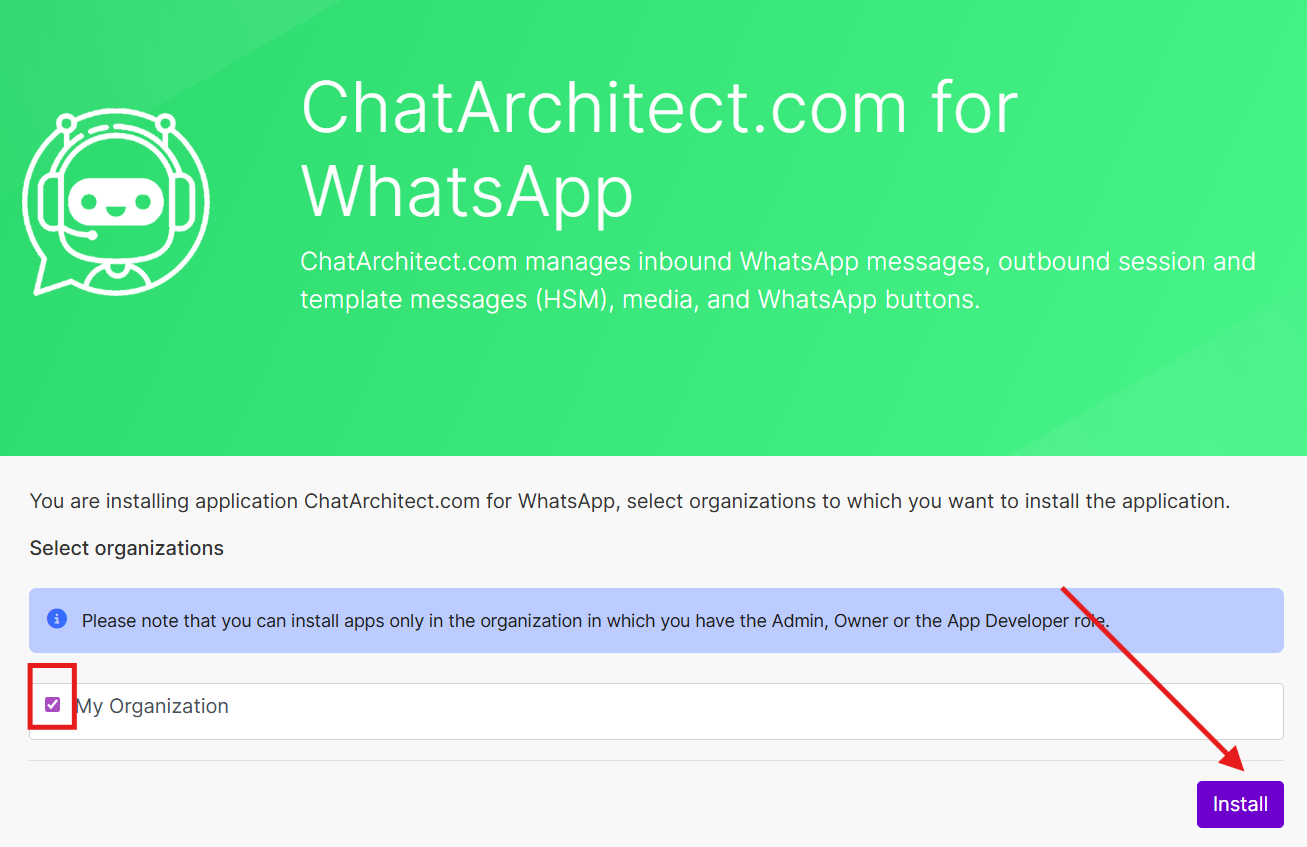
2. Then go to the "Scenarios" tab and click on the "+Create a new scenario" button

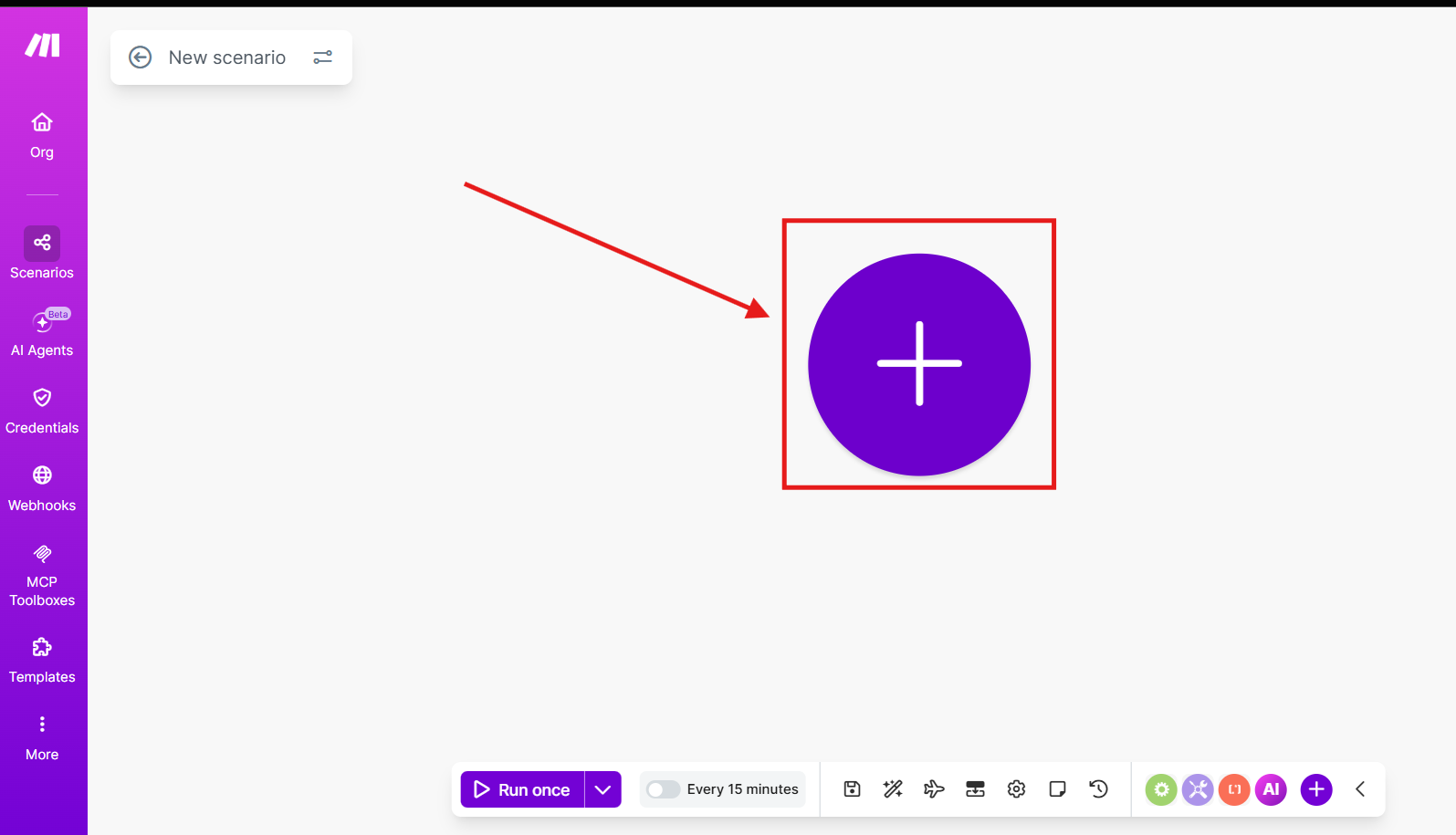
2. Press on this "Plus" button
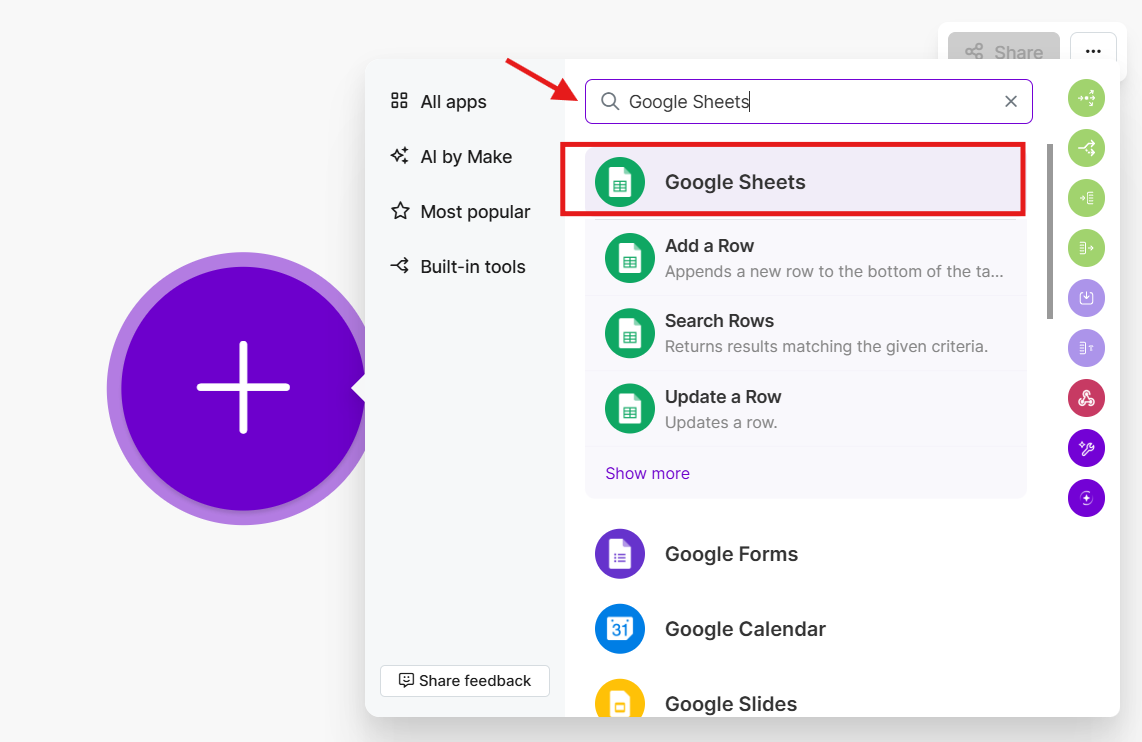
3. Search "Google Sheets"
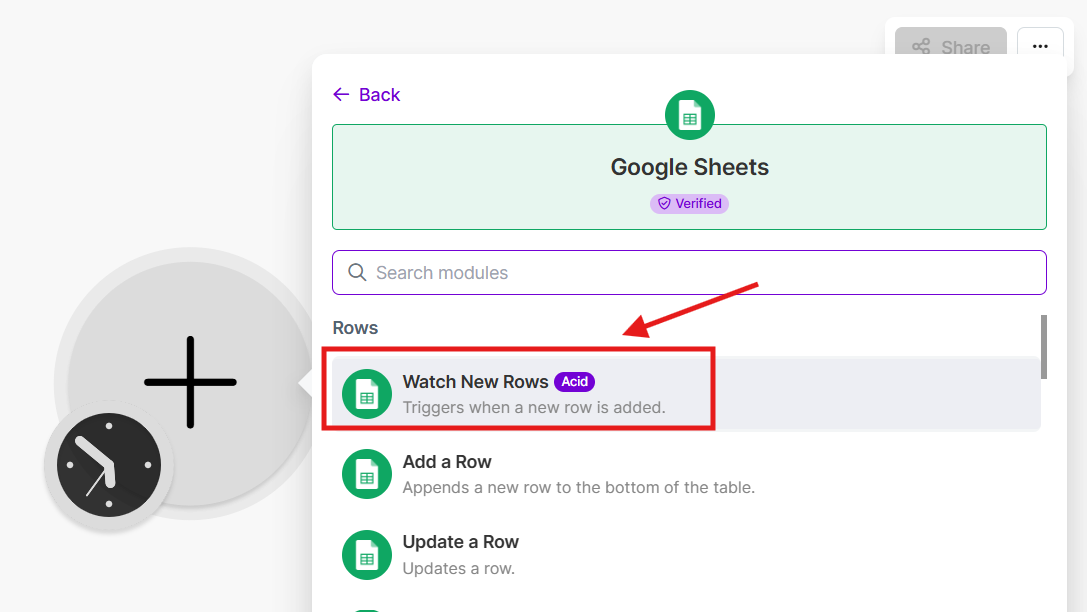
4. Then choose "Google Sheets" and choose trigger "Watch Rows"
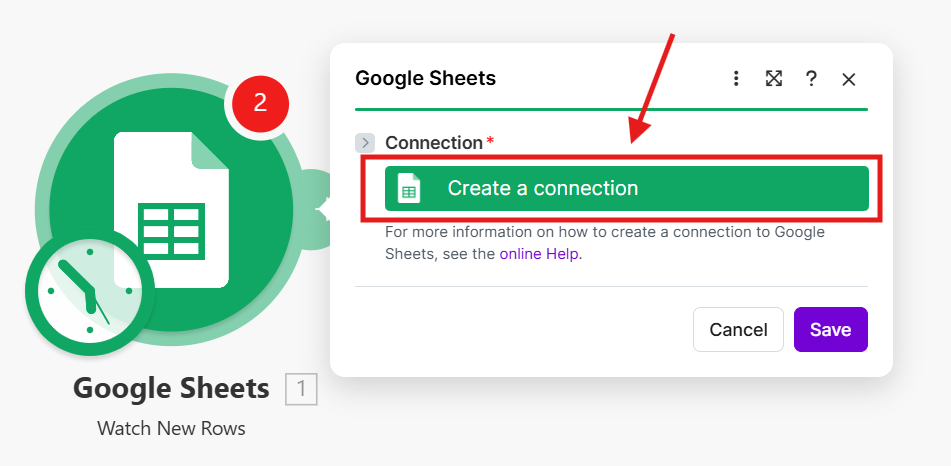
5. Add your Google Account
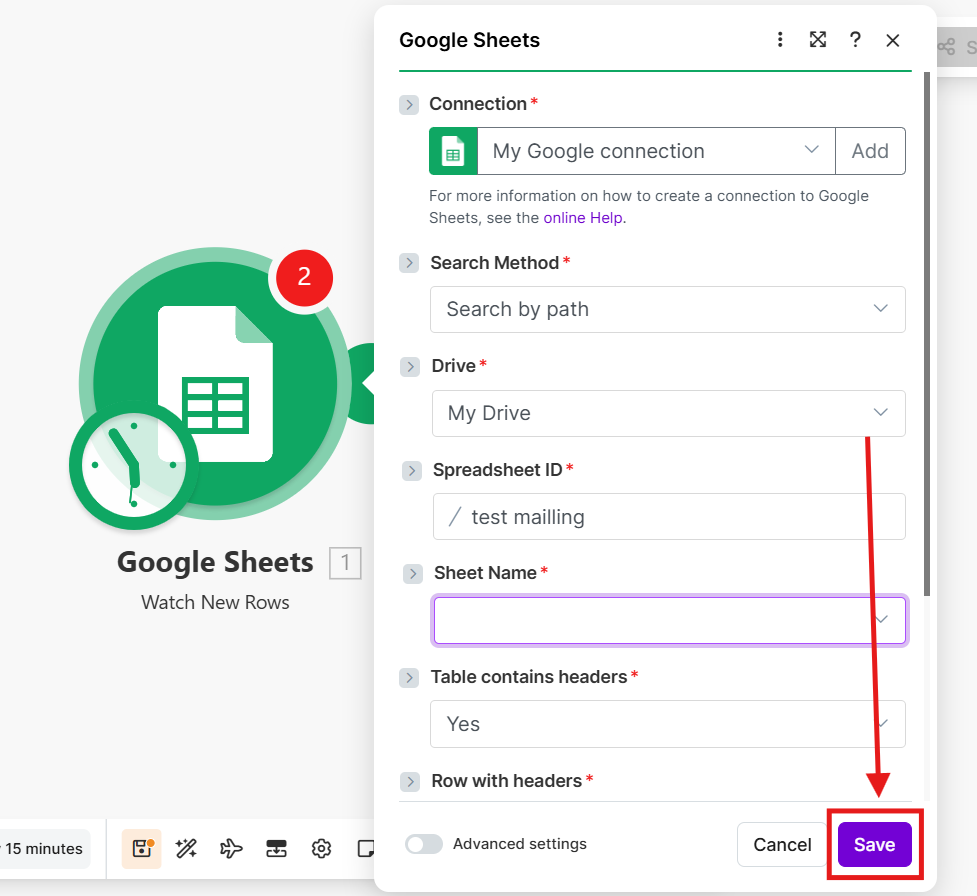
6. Choose "Connection"; "Drive"; "Spreadsheet ID" and "Sheet Name";
After that press "Save" button
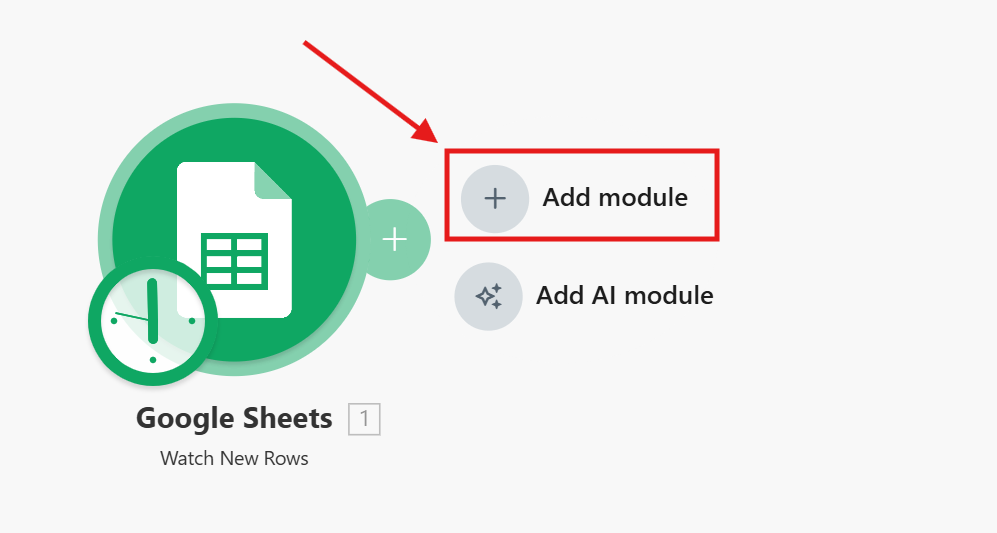
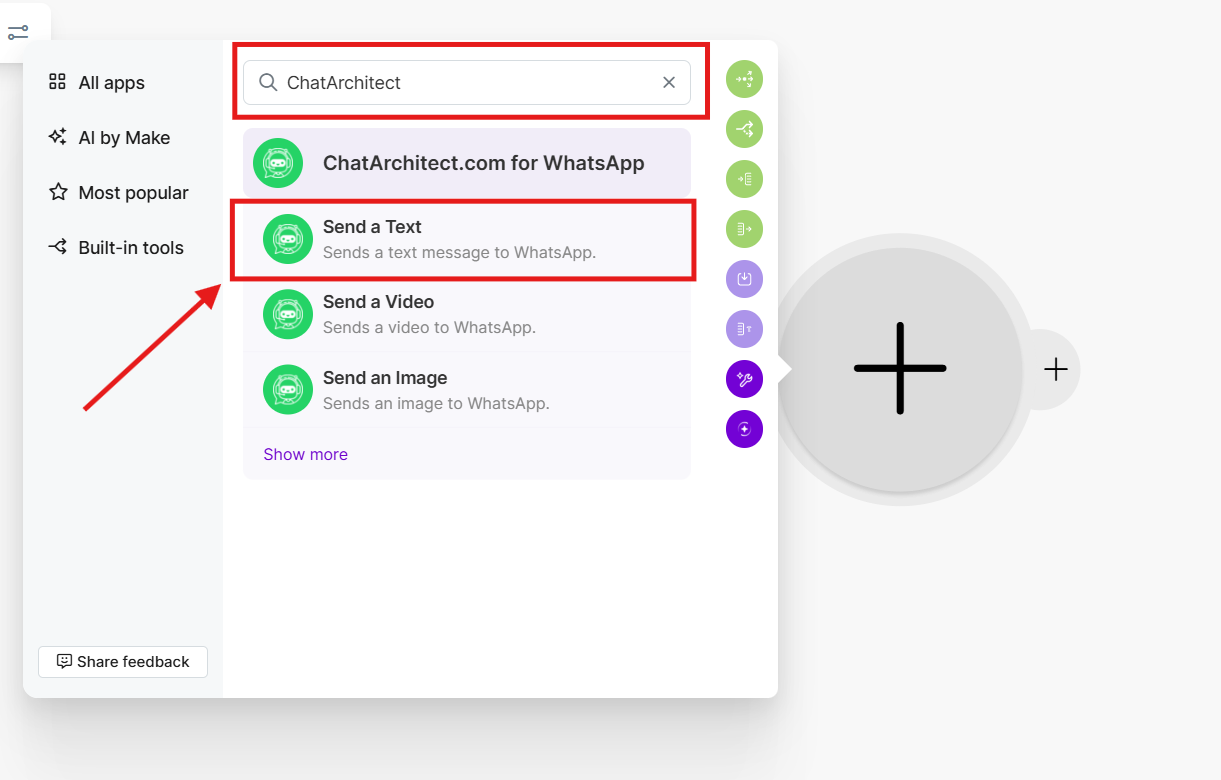
7. Then you need to press "Add module" and choose our integration ChatArchitect.com for WhatsApp and choose "Send a Text"
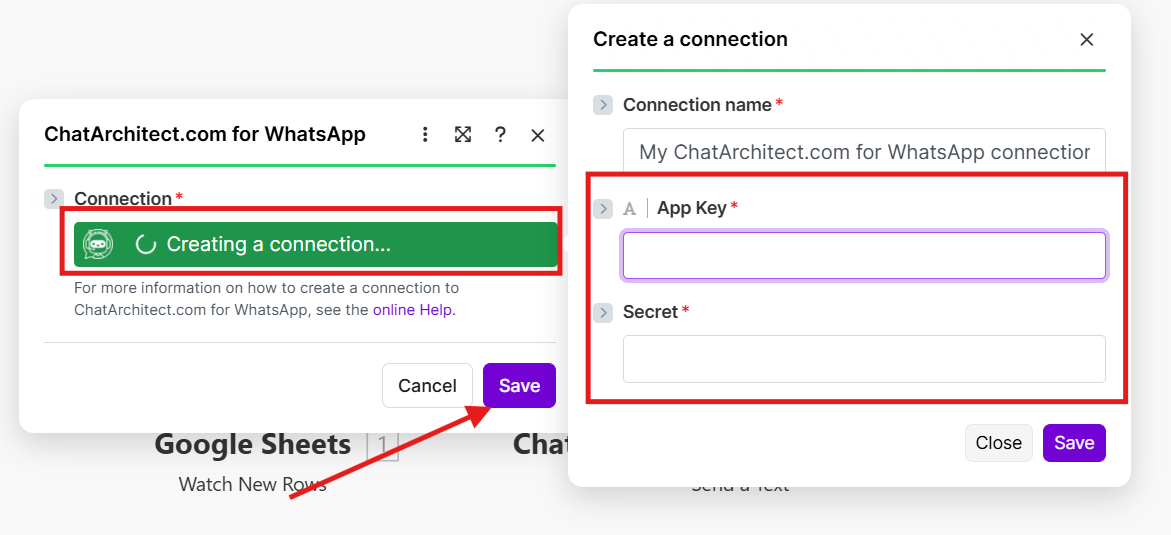
8. Select "Create a connection" -> add your APP ID and APP SECRET;
After that press "Save" button
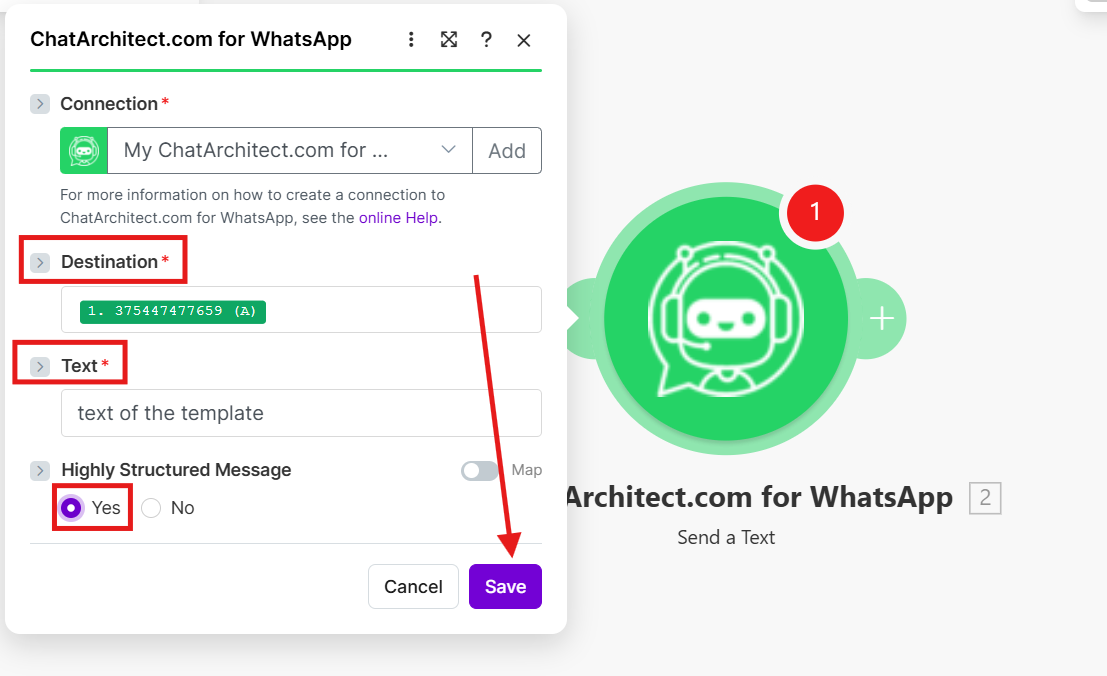
9. Choose destination from your table;
In the text field you need to enter the text of the template that you want to send;
Highly Structured Message: Yes
and press "Save" button
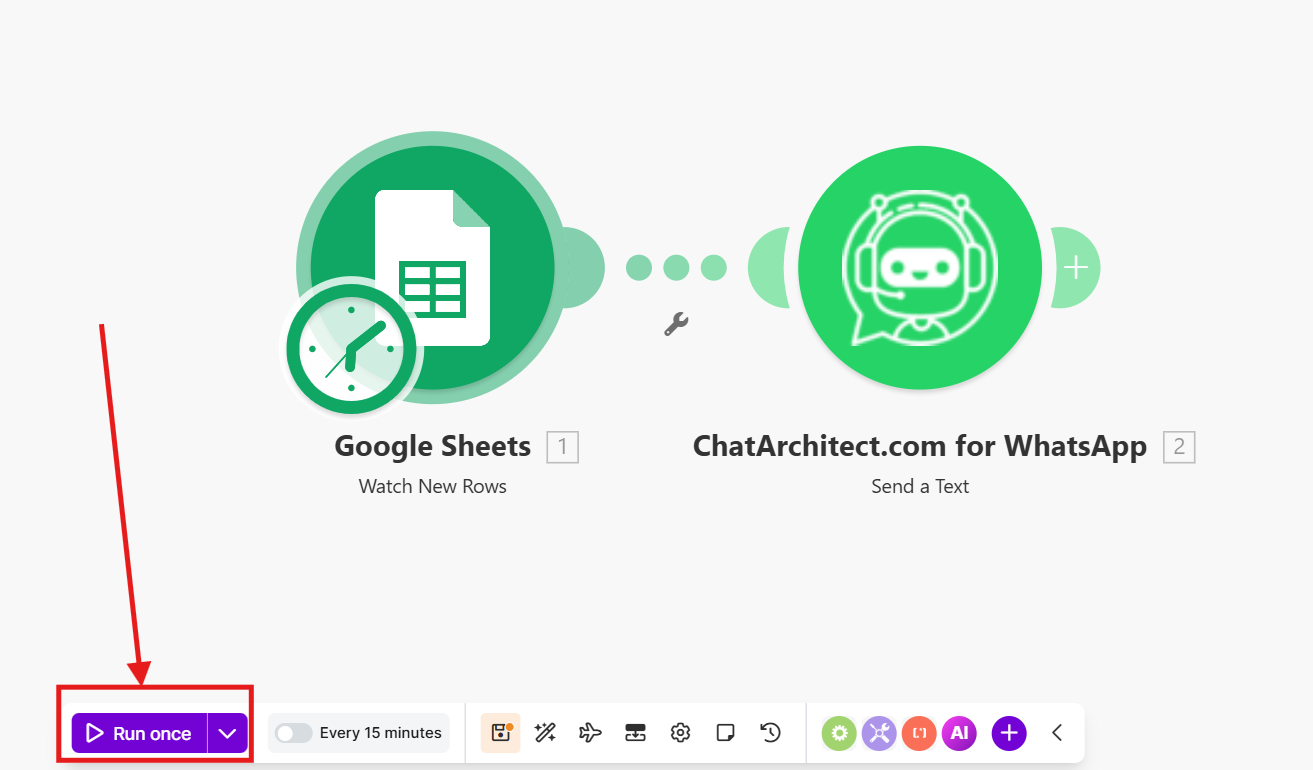
10. Test your connection by using "Run once" button
11. If the message was successfully delivered to your test numbers, you can include "Scheduling" and add numbers to the table (It is important to add numbers for mailing after activating "Scheduling", because Make works to add rows to the table)
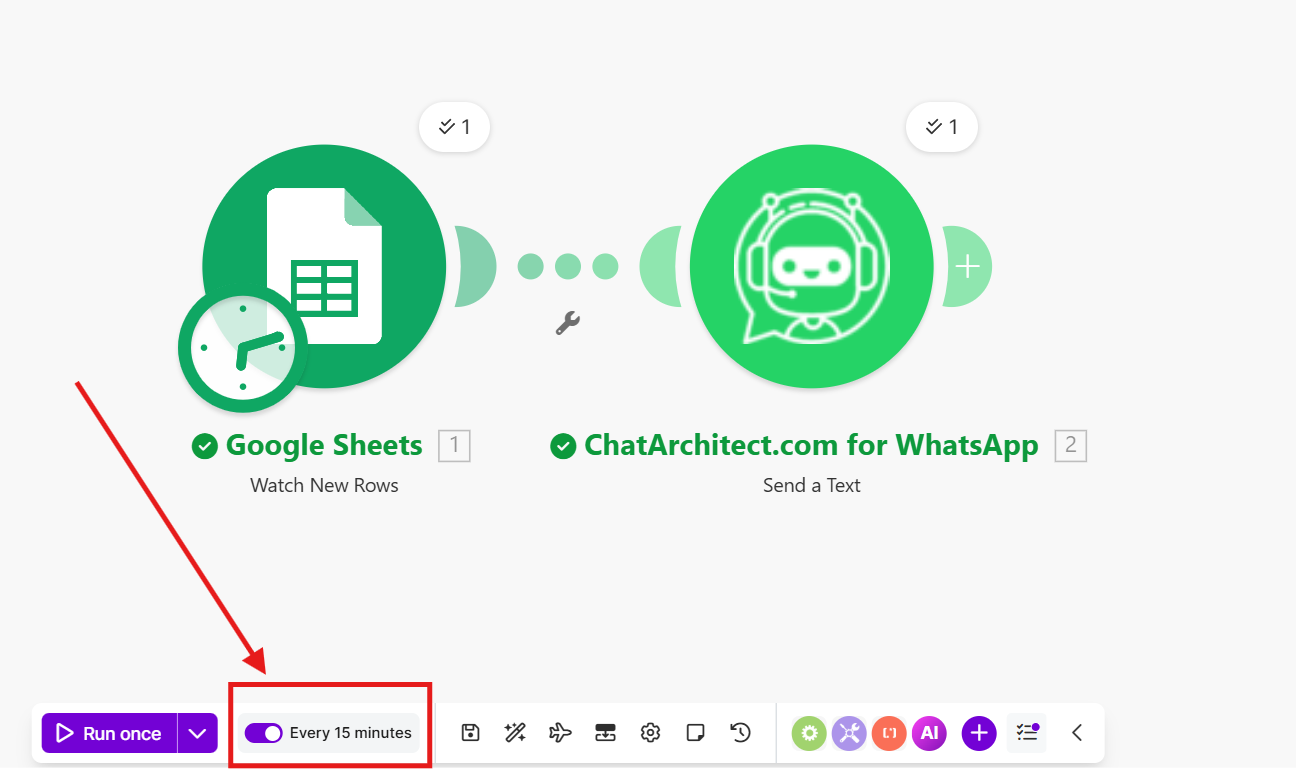
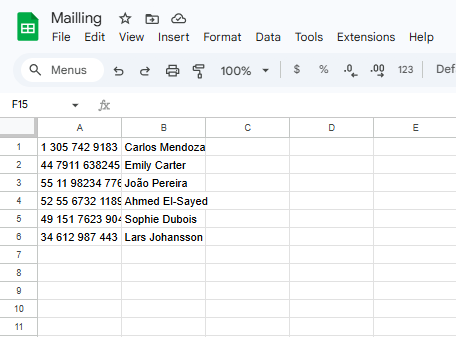
To be noted: Make will work on new numbers within 15 minutes❗️
WhatsApp for Albato.com
Sending messages from Google Sheets to WhatsApp via Albato.com
0. To connect your number and receive an access key, please write to our WhatsApp https://wa.me/421233221242
Or you can fill the form on our website https://www.chatarchitect.com/whatsapp/
1. Select Google Sheets, Event - New Row Created, select the desired table.

2. Adding our application ChatArchitect.com, Event - Send a Text. Add your ChatArchitect account (you must enter the app id and app secret that you received after connecting)

3. Specify from which column the numbers will be pulled up, in the Text field enter the text of a submitted template

4. After that, click on the "+" and select "Action"

5. Once again select Google Sheets, Action - Update a row by number, then add the same table as in the first case.

6. Then choose as in the screenshot:
1. Row number - Google Sheets: Row number
2. Column A - ChatArchitect.com for Whatsapp: Text
3. Column B - ChatArchitect.com for WhatsApp: Status
You can change the columns according to what you need.

7. After that, launch Albato; after launching, send a test message to your WABA number and check if the table has been updated.
It should look like this:

Getting message delivery statuses in WhatsApp via Albato.com
1. At the first stage, we add our application ChatArchitect.com for WhatsApp, Event - Watch New Message Events.

2. Next, add your Google account, action - Create / update a row

3. In column A we set the Payload Type. After that, you can run the trigger and start mailing.

4. In the table it will look like this:

How to integrate Salebot.pro with WhatsApp through Albato.com
In this instruction you will learn how to set up a simple Salebot.pro bot that will auto-answer on your clients WhatsApp.
After all steps are done you should get next result:

Step by Step guide
1. Go to your Salebot.pro account. Open project "Settings" (1). Find API key field (2) and press "Generate" button (3) after that copy generated key.

2. Go to your Albato account. Go to "Apps" page (1). Press "Add a connection" button (2). Click on "Select an App" field (3). Type "salebot" (4). Select app (5). Press "Add a connection button" (6)

3. In the appeared window type Title for your project (1). Paste your Salebot.pro API key that you copied on "Step 1" (2). Press "Continue" button (3)

4. After "Step 3" Albato will create a Webhook URL (1). Press button (2) to copy this URL

5. Go to your Salebot.pro account. Open project "Settings" (1). Find "Webhook URL" field (2) and paste your Albato webhook from "Step 4". Press "Done" button (3)

6. Go to your Albato account. Go to "Apps" page (1). Press "Add a connection" button (2). Click on "Select an App" field (3). Type "whatsapp" (4). Select "Chatarchitect.com for WhatsApp" app (5). Press "Add a connection button" (6)

7. In the appeared window type Title for your project (1). Paste your "Application ID" (2) and "Secret ID" (3). Press "Continue" button (4).
NOTE: To get your "Application ID" and "Secret ID" please write to our customer support https://wa.me/421233221242

8. Create the first automation in Albato to receive messages from WhatsApp and send them to Salebot.pro. Go to Albato "Automations" page (1) and press "New" button (2)


8.2 Make selections (1), (2), (3) and press "Add a trigger" button (4)

8.4 Make selections (1), (2), (3) and press "Add an action" button (4)

8.5 In the appeared window make selection in "Phone" field like on screenshot (1). After that type "Group ID" (2) and press "Save" button (3)
NOTE: Name of "Group ID" can be any you want.

8.6 Now you need to add an action. Press "Plus" (+) and then press "Action" button (1)

8.7 Make selections (1), (2), (3) and press "Add an action" button (4)

8.8 In the window that appears after "Step 8.7" make next selections (1), (2) and press "Save" button (3)

9. Create the second automation in Albato to receive messages from Salebot.pro and send them to WhatsApp. Go to Albato "Automations" page and press "New" button. Same as in "Step 8"
9.2 Make selections (1), (2), (3) and press "Add a trigger" button (4)


9.4 In the next appeared window make selections (1), (2) and press "Save" button (3)

9.5 Now you need to adjust the filter to process only messages from Salebot.pro bot. To do this press "filter" button (1)

9.6 Adjust filter as shown below (1), (2), (3) and press "Save" button (4)

10 Go to "Automations" page and press the "Start" buttons on both automations (1), (2)

11. Write to your WhatsApp number to test connection. You should receive your message in the Salebot.pro "Customers" section.

12. Configure Salebot.pro workflow like on screenshot below:

13. Write to your phone number keyword "Hi". After some delay bot must reply "Hello"
Set up a WhatsApp bot based on Albato.com
Step by step instruction
1.1 Create an account on Albato.com and go to the Apps section
1.2 Add a connection to ChatArchitect.com for WhatsApp by clicking the Add a connection button

1.3 Add App ID and Secret ID

1. Making a bot using Albato tools without third-party integrations
2.1 We approve the message template on app.chatarchitect.com.

2.2 Add approved template in Albato automation. This message will be sent to all customers who contact us by default (i.e. if the keywords [Contact info], [Callback] or [Support] are not found)
2.3 To do this, go to the "Automations" section and click the "New" button

2.4

2.5

2.6

2.7

2.8 Add a rule to return a message to the number from which the message came to us and insert the text of the message

2.9 Add a filter for keywords, at the meeting of which the template will not be sent by default. In our case, these words are Contact info, Callback and Support.

2.10 Just do the same as in the screenshot

2.11 Add automation to send help messages according to the buttons pressed by customers. In the example, we will create a rule for the phrase "Contact info" (clicking the [Contact info] button by the client), the principle is the same for other key phrases / buttons.
Repeat steps 2.3 - 2.8. Only in paragraph 2.8 we add another text with contact information2.12 Click the filter button

2.13 Set up a filter for our keyword "Contact info"

We return to point 2.2 and do the same for the keywords [Callback] and [Support]
As a result, we will get such a bot:

WhatsApp for Apix-drive.com
WhatsApp for n8n.io
Sending messages via N8N
1. Click on the "+", in the search bar enter whatsapp

2. Next, select WhatsApp: Send a Text. In the window that opens, add your WhatsApp account by entering your APP ID and APP SECRET, which we will provide you after the connection is completed

3. Next, in the Text field - enter the text of the template, in the Destination field - the recipient

4. To send a message, click "Execute node"

WhatsApp for Bubble.io
Sending messages via bubble.io
1. First of all, you need to add a "Button"
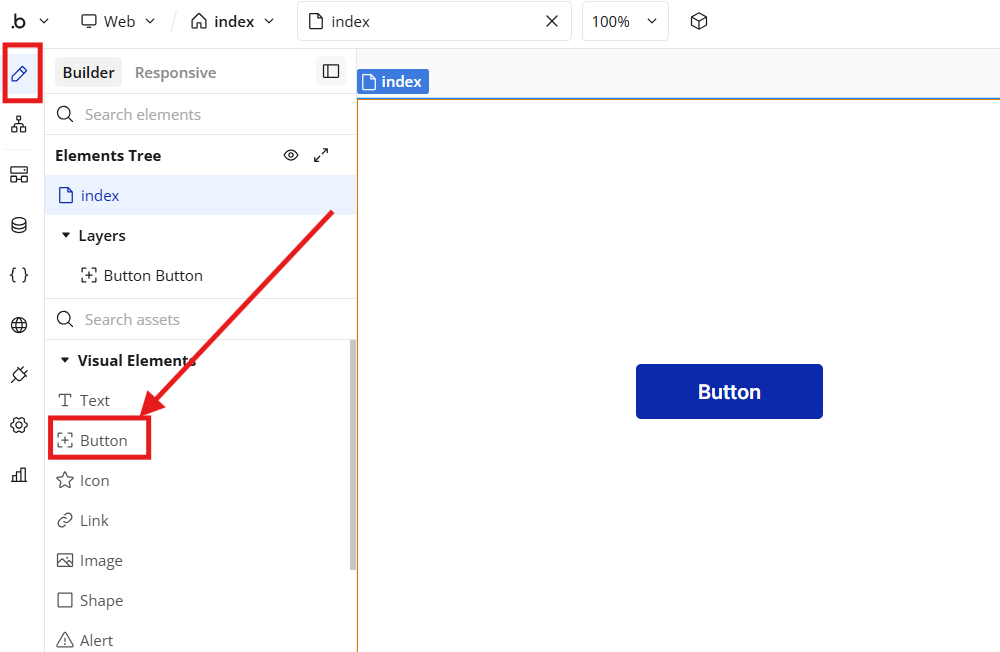
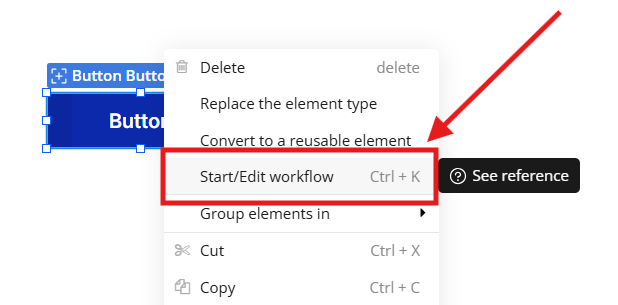
2. Then add "Workflow" to the button (click on the button and click "Start / Edit Workflow")
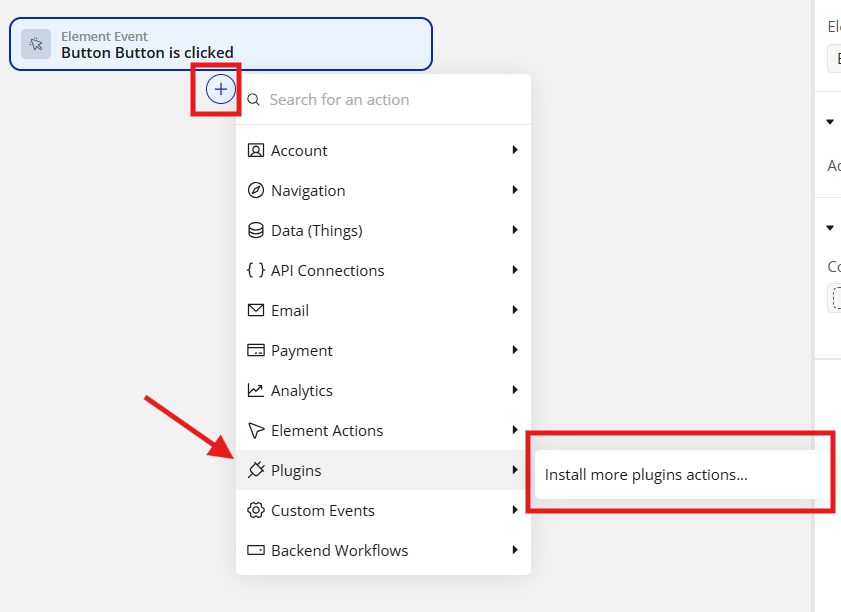
3. Click on the "Plus" -> "Plugins" -> "Install more plugins action"
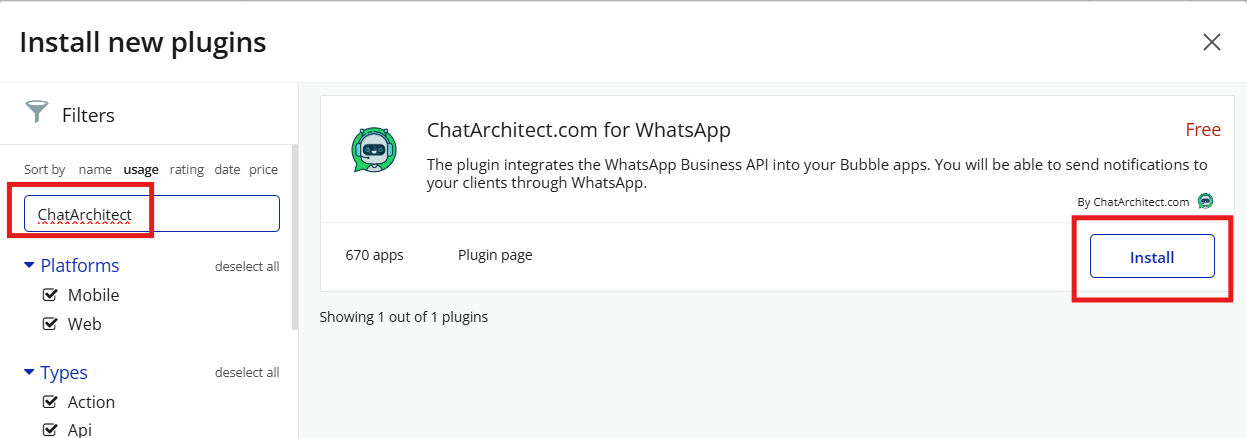
5. Find our integration ChatArchitect.com for WhatsApp and press "Install" (you must first select all filters for the search)
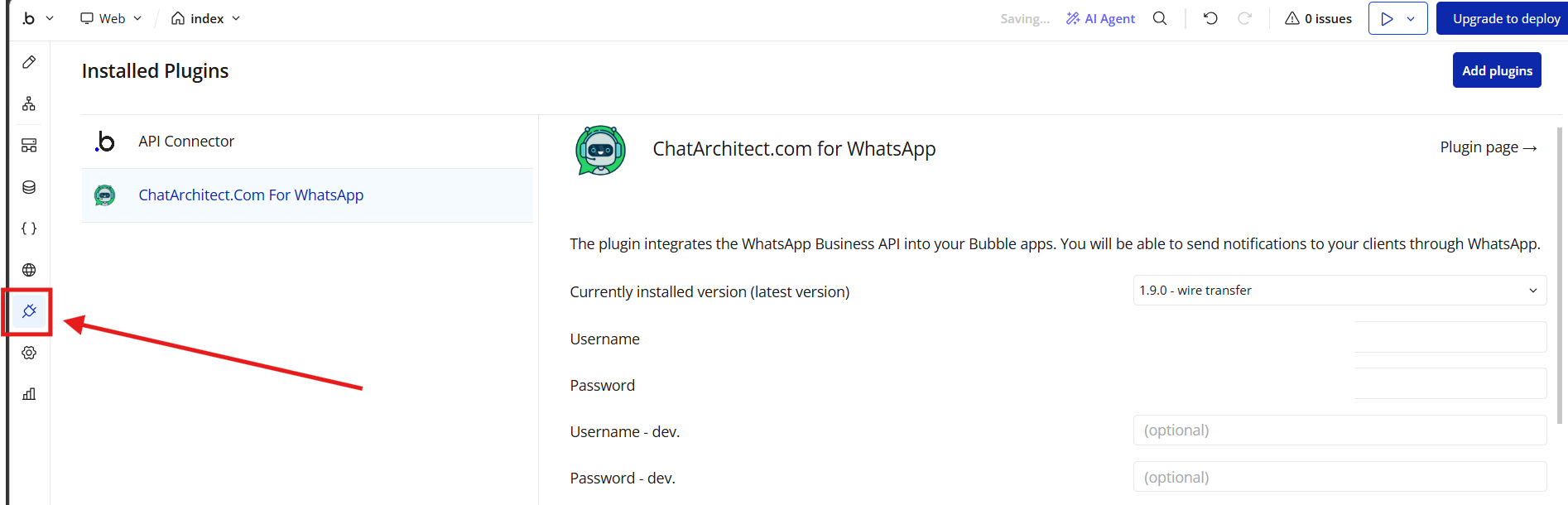
6. After that, go to the "Plugins" tab, in the username field enter your APP ID, in the password field APP SECRET
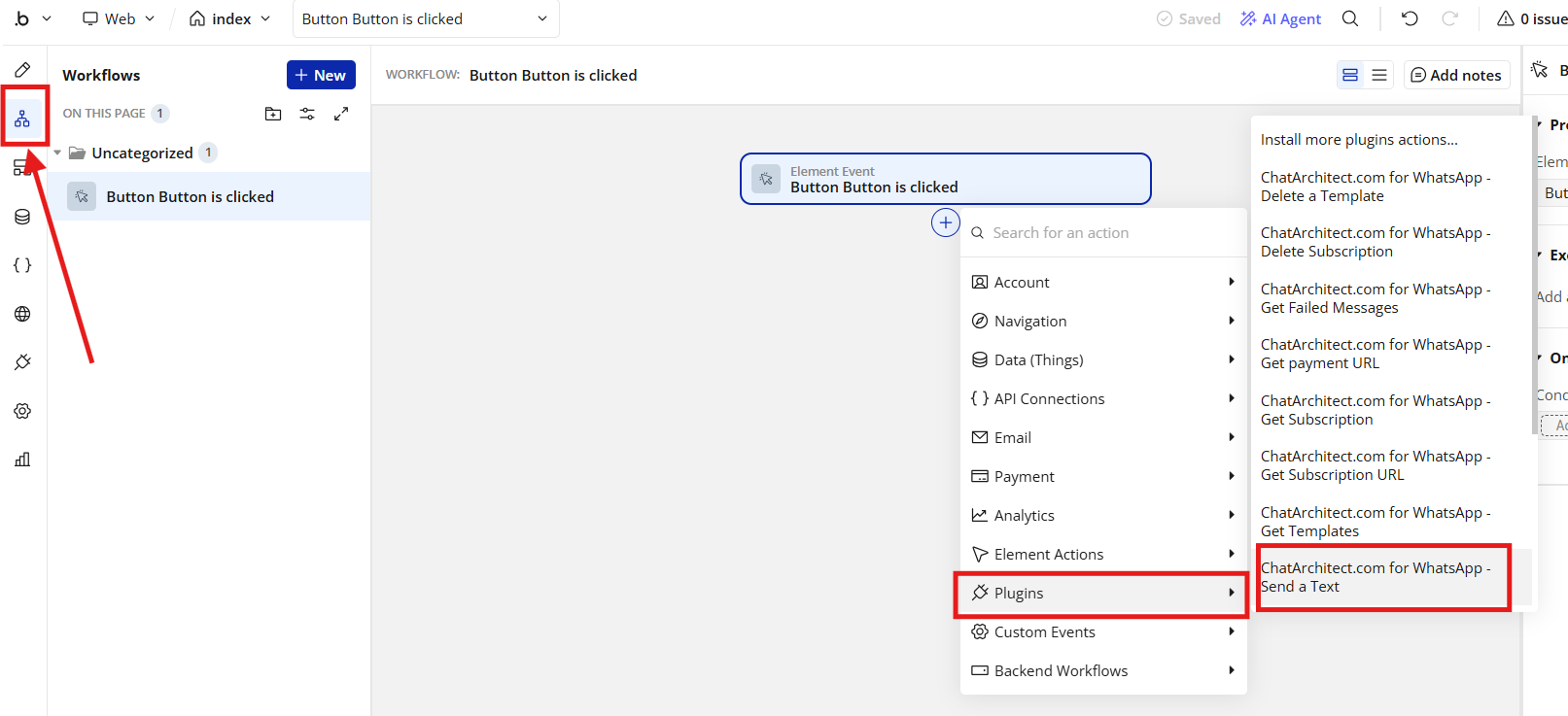
7. Next, return to the "Workflow" tab, click "Click here to add an action" , "Plugins", "Send a text"
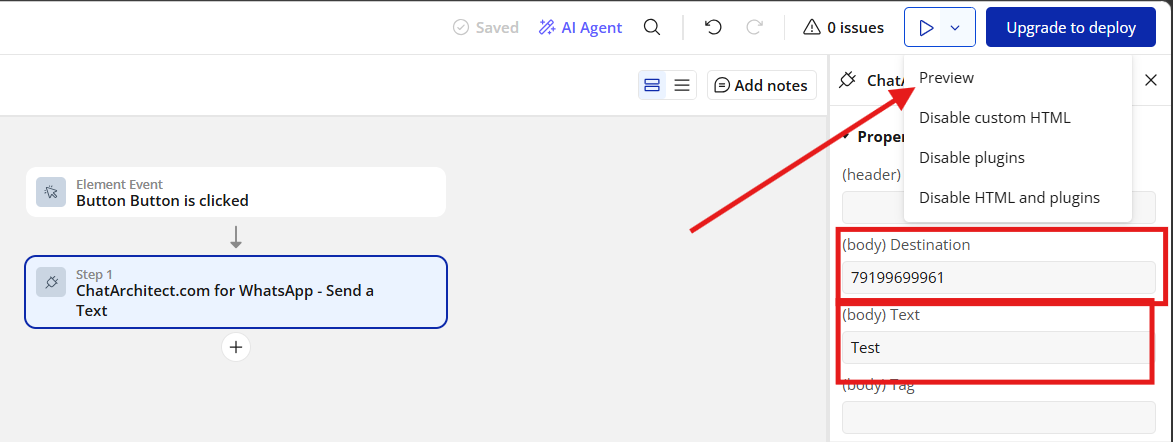
8. Fill in the Destination (receive) and Text fields and click the "Preview" button (top right)
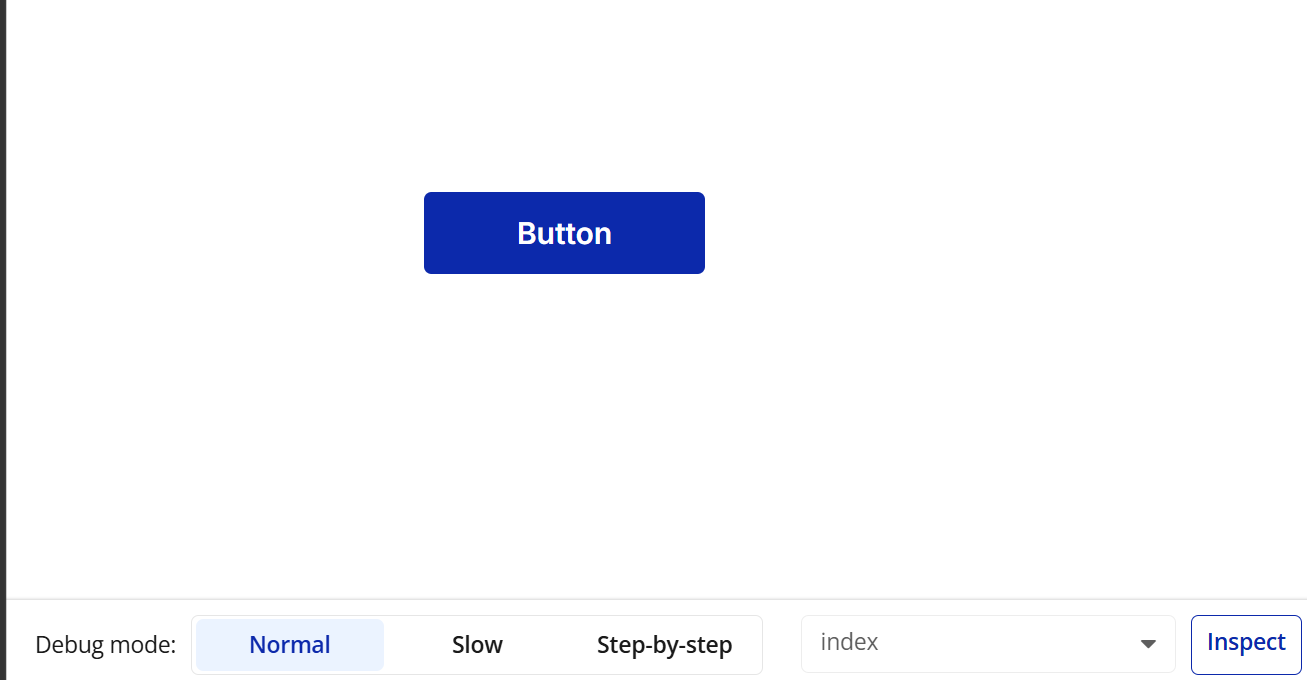
9. After clicking on the "Preview" button, you will be redirected to the page with the button. When pressed, the message will be sent to the entered recipient.
WhatsApp for Node-RED
Sending messages via Node Red
1. First, let's add the inject function

2. Next, in the WhatsApp tab, select the "Send a text" function

3. After adding a function to the working field, double-click on it. In the account tab, add your account using the keys that we will send you after the connection is completed. In the Destination tab, enter the recipient's phone number, in the "Message" tab - the text of the template message.


4. Next, add the Debug tab

5. After adding it to the working field, double-click on it and set the settings, as in the screenshot

6. Then click "Expand" at the top right.

7. To send a message, use the square next to the "Inject" function
